Connecting Residents, Teams and Buildings:The Digital Foundations of Better Living Sector Operations

Elliott Bouher / CEO
Generator
Across build-to-rent, student accommodation, land lease and retirement living, the amenity list keeps growing, and it has become one of the main ways developers set their communities apart.
But with construction costs still climbing, I think our industry needs to ask itself a harder question: are we creating better places to live, or simply adding more amenities that look good in a brochure?
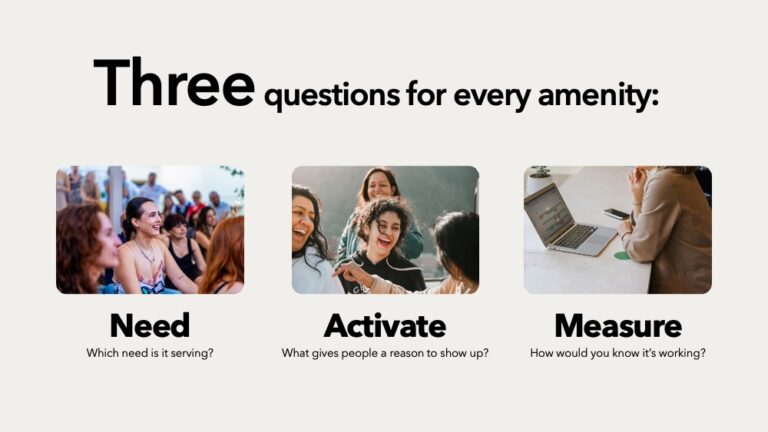
At Generator, our vision is to create happier, healthier and more socially connected communities. Buildings and amenities matter enormously. But what makes a community succeed is the experience people have inside them. So whenever we consider a new amenity, I’d argue there are three simple questions worth asking:
- Need. What fundamental human need are we trying to address?
- Activate. Once it’s built, what gives residents a reason to use it?
- Measure. How do we know whether it’s actually working?
Need: what are we really designing for?
The way we design and operate residential communities has changed enormously over the years. The fundamental needs of the people living in them haven’t.
Most operators already understand this, at least in part. We build profiles and personas of our ideal resident and look for ways to meet their needs. But personas are only part of the puzzle. What are we learning once residents move in? What do we know about their behaviour and needs after they’ve lived there for six months, or two years?
The amenities we provide should reflect the needs, interests and lifestyles of the people who live there. So it’s worth asking honestly: are we designing around what residents need and value, or around what we think they expect?
Activate: why would anyone show up?
Designing the right spaces is only part of the equation. Activation isn’t just about putting on events. It’s about creating environments where participation is easy, enjoyable and part of everyday life.
That can come from thoughtful design and identity, good programming, or new uses for existing spaces. Technology connects people with those opportunities, and clear communication makes sure residents know what’s on. And sometimes it’s simply a little delight or curiosity: something unexpected that gives people a reason to stop and engage.
Take Lyf Funan in Singapore, a co-living and short-stay property with a human-sized hamster wheel. I’m not suggesting every development needs one. But it’s playful, unexpected, and gives residents something to try, photograph and talk about. Not every amenity needs a profound purpose. A memorable experience can be valuable in itself.

The Social Hub, which runs accommodation and community spaces across Europe, takes a different angle. Many of its restaurants, bars, coworking spaces and events are open to the wider neighbourhood. Residents don’t just meet their neighbours; they meet local professionals, entrepreneurs and travellers. The lesson for operators: sometimes the best way to activate a community is to bring the outside world in.
Activation by design
What if the reason to come together isn’t something we add once the building is finished? What if the whole community is designed around a shared interest, lifestyle or identity from day one? That’s where some of the most fascinating international examples are emerging.
Often you don’t need to invent a culture. There’s already one there. Intro Burbank, next door to Hollywood, includes green-screen rooms and editing equipment that reflect the creative industries around it. In Philadelphia, a city with a rich musical history, Broadridge has built recording studios into its residential offering. In the US you’ll also find equestrian communities with riding trails, aviation communities where residents keep their aircraft at home, and even communities built around private racetracks.
Latitude Margaritaville takes the idea further. These US retirement communities are inspired by Jimmy Buffett’s music and lifestyle, with the motto “growing older, but not up”. They don’t have community centres; they have “Workin’ N’ Playin’ Centers”, plus live music and themed parties. The operator knows a lot about its residents simply because they chose to live there. You’d have to be pretty into Jimmy Buffett to live it every day. The clever part is that the holiday feeling isn’t once or twice a year. It’s built into everyday life.
Through Storyliving by Disney, Disney is bringing its storytelling and placemaking to residential development. Its first community, Cotino in Rancho Mirage, California, isn’t a theme park. It’s a place for everyday living, with a clubhouse inspired by the Parr family from The Incredibles. Disney understands that people connect with stories and shared identities, not just physical spaces. And it treats resident experience as an ongoing operational responsibility, not something finished when construction ends.
Finally, Guild Living in Italy combines senior living with a hospitality and resort experience, mixing permanent residents with short-stay guests. Residents have met a visiting Swedish women’s football team and joined bocce competitions with visitors. A great community doesn’t just bring people together. It keeps giving them new reasons to come together.
These examples are very different, but they share one thing. Rather than providing amenities and hoping people use them, they design around activities and identities residents already care about. When residents share a passion before they’ve even met, you’ve laid the foundation for connection.
What travels to the rest of us
Most of us aren’t Disney, and we’re probably not building a retirement village around ideologies of Jimmy Buffett. But we can apply the same principles, whether we run luxury build-to-rent, student accommodation or a retirement village.
- A reason to belong. We don’t need an airstrip to bring like-minded people together. It can be as simple as knowing whether residents love gardening, cooking, fitness or art, and helping them find each other.
- A reason to show up. Disney-scale experiences can work at a much smaller scale: a regular cooking class in the communal kitchen, a resident-led gardening group, a weekly social night. The job is to make them visible and easy to join.
- A reason to come back. One great event isn’t enough. Consistency matters: an ongoing program residents look forward to, refined by what they actually attend and use.
The point isn’t to copy Disney or Margaritaville. It’s to understand why those communities work, and apply that in ways that make sense for our own residents.
Measure: start with what you already have
Building an impressive amenity is one thing. Getting residents to use it, enjoy it and connect with one another is something else entirely. If we’re investing millions in amenities and community infrastructure, we should know whether those investments deliver what we intended.
The good news is that some of the biggest opportunities already exist in your communities, without significant capital spend:
- Lay the groundwork. How well does your whole team know your residents: their interests, the activities they enjoy, the facilities they use, and the ones they don’t? Start with a few basic interest questions and the event attendance and booking data you already hold.
- Use it to make better decisions. A group of keen cooks could mean regular classes in an existing kitchen. Meeting rooms that sit empty in the evening could host workshops or hobby groups. Local businesses might love to offer residents exclusive benefits.
- Make it ongoing. Measure what happens. Which events draw people? Which spaces get used? Give your teams the tools and information to act on it.
When people thrive, so does performance
Happier, more connected communities aren’t just good for residents. They make commercial sense. Residents who feel connected are more likely to stay, take part and recommend their community to others. That shows up as stronger retention, higher satisfaction and new revenue opportunities.
Understanding how spaces are really used also means smarter investment. Instead of adding amenities because competitors have them, we can invest in what residents value. Great places to live and strong commercial outcomes shouldn’t compete. They should reinforce each other.
That’s why our focus at Generator comes down to three things working together: activation, bringing spaces to life through events, bookings and visibility; engagement, helping operators communicate and build participation; and insights, understanding what’s being used and where to improve. Activate, engage, measure, improve, and repeat.
Connection is the new amenity
The communities we admire most aren’t defined by the most expensive facilities. They’re defined by what happens inside them: the conversations, the friendships, the shared experiences and the sense of belonging.
We’re not just designing buildings. We’re creating places where people live their lives. And sometimes the answer isn’t building more. It’s understanding what we already have.
The most valuable amenity we can create might not be a physical space at all. It’s connection.
Join the Revolution: Embrace Our Resident App Today!
Ready to experience a revolution in residential living? Reach out now and embrace the future of living and become part of a vibrant, empowered movement redefining the way we live.