Ideas to Action: What We Took Away from the Living Sectors Summit 2026
The 2026 Living Sectors Summit has wrapped up. On 11 and 12 November, investors, developers, operators and policymakers met at ICC Sydney for two days of discussion about where housing in Australia is heading.
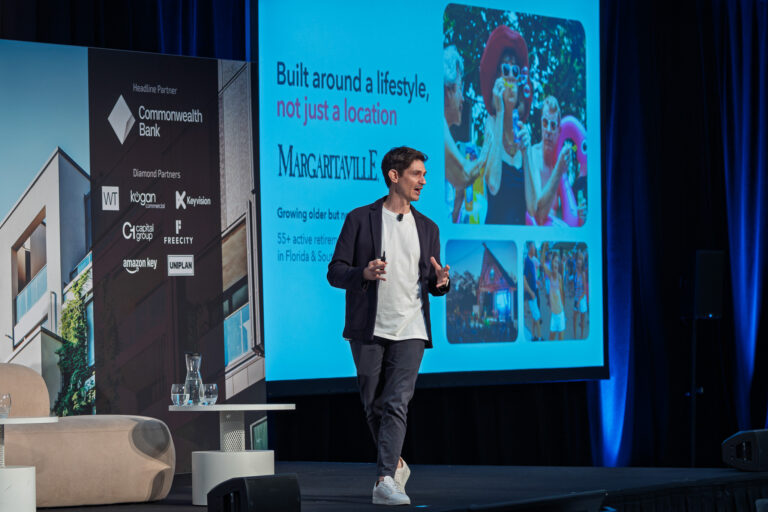
Sessions covered investment, operating models, affordability and what residents expect from where they live. In today’s market, delivering and running great living sector assets takes collaboration and new ways of thinking.
Inside the program: how do we deliver better housing at scale?
The program covered the full journey of a living sector asset, from capital and policy to delivery and day-to-day operations. Key themes included:
- Institutional capital and funding. How investment is flowing into Australian housing, how banks are approaching living sector finance, and how the sector is building the data and benchmarks institutional investors expect.
- Policy, planning and supply. The reforms needed to unlock supply, with Senator Andrew Bragg, Shadow Minister for Housing and Homelessness, and Housing Australia on the program.
- Delivery at scale. Construction challenges, modular building and modern methods of construction.
- Lessons from overseas. Keynotes from Dan Batterton of Legal & General and Johnny Caddick of Moda Living offered a view from the more mature UK market on scaling a housing platform and building a build-to-rent business.
- Operating platforms and performance. A stronger focus on the operating side of businesses, including operating companies becoming investment targets in their own right and the role of data from design through to operations.
Day one featured keynotes, panels and 20 roundtables. Day two split into breakout tracks for social and affordable housing, retirement and land lease, and build to rent, student accommodation and co-living.
Collaboration and new approaches
Over two days, these are the ideas we heard most in the sessions:
Collaboration matters. No single developer, investor, operator or government agency can solve housing supply and affordability alone. That’s what makes the Summit useful. Capital, policy, delivery and operations are all in the same room, and some of the best conversations happen between people who don’t usually share an agenda.
Operations are moving to centre stage. With more communities now up and running, attention is turning from building them to running them well. On the panels, speakers framed resident experience, retention and operational efficiency as increasingly important drivers of asset performance. Investors want operators to back their performance with data.
That second idea is where Generator fits in, and it was the focus of our own session.
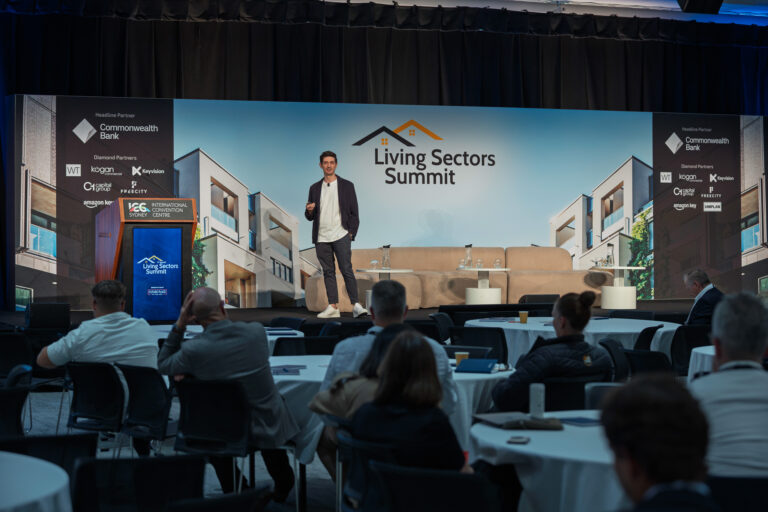
Takeaways from Elliott Bouher’s session
Generator Founder and CEO Elliott Bouher presented “Connecting residents, teams and buildings: the digital foundations of better living sector operations.” His central point was that good spaces don’t create good experiences on their own.
1. Ask three questions of every amenity.
Before adding or keeping an amenity, it’s worth testing it against three questions.
- Need. Which need does it meet: health and wellbeing, connection, productivity, personal growth or recreation?
- Activate. What gives people a reason to use it?
- Measure. How will you know it’s working?
2. Activation is what brings a space to life.
A well-designed space can still sit empty. Activation comes from programming, design, multi-use spaces, technology, communication and a sense of delight.
Elliott pointed to examples from around the world, including Lyf Funan in Singapore, The Social Hub in Europe, Guild Living, Margaritaville’s 55+ communities and Storyliving by Disney. The ideas that carry across give residents reasons to belong, reasons to show up and reasons to come back.
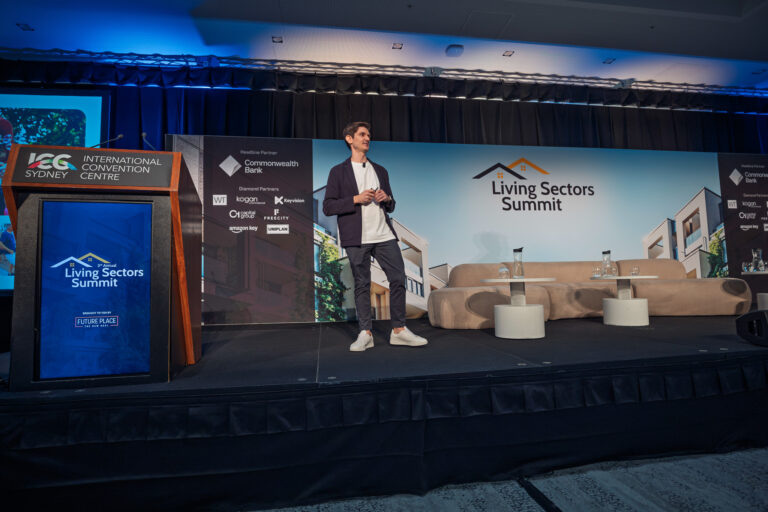
3. Build your own Margaritaville by knowing your residents.
You don’t need a global brand to build a strong community, but you do need to know who lives there. What are they into? Who do they spend time with? What would get them out of their apartment on a Tuesday night?
The communities that people love are built on lots of small moments that feel personal. It might be an invite to a pickleball tournament, or a hello from a community manager who remembers your name.
Operators who take the time to understand their residents can create that feeling anywhere, whatever the size or budget.

4. Measure what’s working.
Track the signals that show how engaged your community is: how many residents and properties have been onboarded, how often residents use the app, event attendance, content engagement and how shared spaces are used.
Reviewed regularly, these insights show what’s working and where to focus. They help teams decide which programs to grow, which spaces to repurpose and where to put their time and budget. They also give teams something concrete to take to leadership and investors, which matters more and more as operators are asked to prove their value with data.
5. When people thrive, so does performance.
Engaged residents are linked to higher renewal rates, more referrals, stronger occupancy, rental premiums and ancillary revenue. That ties resident experience directly back to the investment conversations at the Summit.
What it comes down to, is that great places are built, but great communities are created.
Thank you
Thank you to the Living Sectors Summit and FuturePlace teams, and to every speaker, partner and delegate who made the two days so worthwhile. We’re looking forward to seeing these ideas put into action.
If you’d like to talk about how Generator connects residents, teams and buildings, get in touch or follow us on LinkedIn.

Join the Revolution: Embrace Our Resident App Today!
Ready to experience a revolution in residential living? Reach out now and embrace the future of living and become part of a vibrant, empowered movement redefining the way we live.