Proptech for Building Management: Why the Biggest Wins Are in the Daily Admin
Proptech for building management covers a lot of ground, from resident apps to the systems that keep a building’s plant and equipment running. For most residential operators, the quickest wins start with the work that fills every day: resident requests, bookings and communication.

That’s where on-site teams lose the most time, and where residents notice the difference fastest. Get those basics onto one platform and you free up your team, improve the resident experience and build the data you need to run a portfolio well.
Where the time actually goes
Ask a building manager to describe a typical day and you’ll rarely hear about sensor dashboards. You’ll hear about the leaking tap reported by phone, then by email, then again at the front desk. The function room that was double-booked. The notice about lift maintenance that half the residents didn’t see. The parcels piling up in the mail room.
None of this is complex work, but it adds up. Each task is small on its own. Together they crowd out the work that matters most, like getting to know residents, managing contractors well and planning ahead.
This is why smart building technology, on its own, often doesn’t change how a community feels to run. Sensors can tell you a pump is running hot. They can’t tell a resident when their maintenance request will be fixed, or stop two people booking the barbecue area for the same Saturday.
Four areas where proptech changes daily operations
The operators getting the most from technology tend to start with the work that lands on the desk every day. Four areas stand out.
1. Resident requests and maintenance
When requests arrive through phone calls, emails, sticky notes and hallway conversations, things fall through the cracks. Residents then follow up, which creates more work.
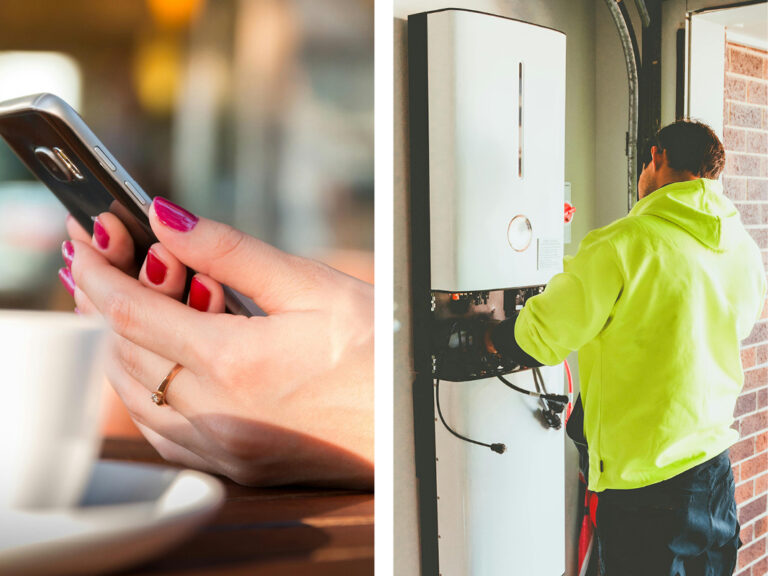
A single digital channel changes that. Residents log an issue in the Resident Experience app and can add a photo. The team assigns it, tracks it and closes it out, and the resident can see where it’s up to without calling. The “any update?” follow-up largely disappears.
Behind the scenes, the same request can flow into work orders for suppliers and scheduled maintenance, so the on-site team isn’t re-keying information between systems.
2. Bookings for shared spaces and services
Shared amenities are a big part of what residents pay for, whether it’s a gym and rooftop in build to rent, study rooms in student accommodation or a community hall in a retirement village. Managing them in a spreadsheet or paper diary invites clashes and disputes.
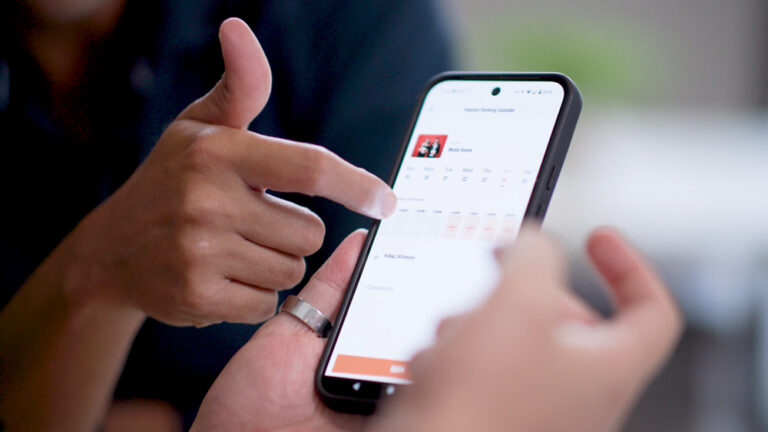
Automated bookings let residents see availability and reserve a space themselves, any time of day. Your rules, such as time limits, cleaning windows and who can book what, are applied consistently. Staff step in only for the exceptions.
3. Communication with residents
Noticeboards, letterbox drops and long email chains are hard to target and impossible to measure. A resident communication platform lets you send the right message to the right people, such as one building, one floor or residents who’ve booked a particular space.
It also matters when something goes wrong. A water shutdown or an urgent safety notice needs to reach people quickly, and operators need to know it did.
4. Parcels, events and the small stuff
Parcel management and event RSVPs look minor until you count the hours. Automatic parcel notifications cut down on residents asking at the desk. Digital RSVPs give you accurate numbers for catering and room set-up. These small wins are often what residents mention first when asked about their experience.
Turning everyday activity into useful data
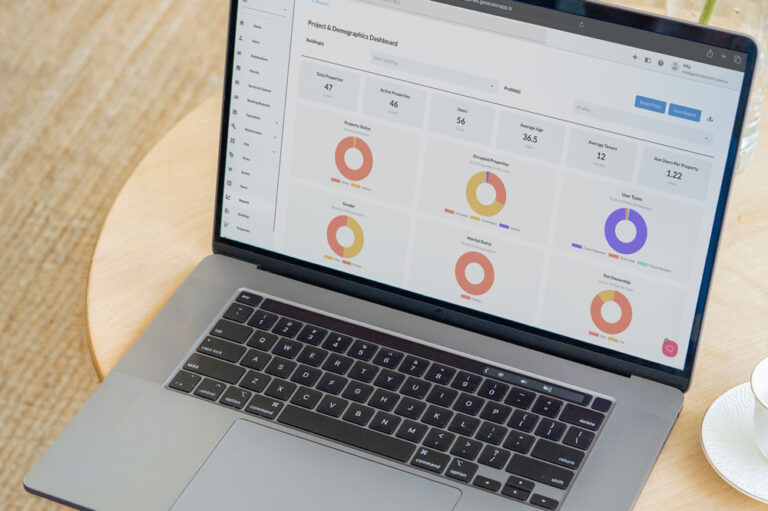
Here’s the less obvious benefit. When requests, bookings and messages run through one platform, every interaction becomes a record. Over time, that gives operators information they’ve rarely had before:
- Response and resolution times for maintenance, by community or by supplier
- Recurring faults that point to an asset nearing the end of its life
- Amenity usage that shows which spaces earn their keep and which don’t
- Resident engagement with notices, events and the app itself
For heads of operations and executives, this is how you compare communities across a portfolio and make the case for investment with evidence rather than anecdote.
It also helps with compliance. An up-to-date asset register, supplier records with current insurance and compliance documents, and clear maintenance histories make audits and reporting far less painful.
This is the thinking behind Generator’s Operations Management Platform and Facilities & Asset Management. Requests, bookings, communication, assets and reporting sit in one place, so the data builds up as part of the daily work, not as an extra task.
How it plays out across community types
The basics are the same everywhere, but the priorities shift by sector.
- Build to Rent: Residents expect a responsive, app-based experience. Fast maintenance and easy amenity bookings support renewals, which makes build to rent operations easier to sustain.
- Student Accommodation: High turnover and peaks at the start of semester put pressure on onboarding, parcels and maintenance. Clear digital processes keep the team ahead of the rush.
- Retirement Living and Land Lease Communities: Communication and events are central to community life. Technology needs to suit residents with different levels of digital confidence, with on-site staff still available for those who prefer it.
- Seniors Living: Accurate information and reliable communication with residents and families matter most.

Questions to ask before you invest
Before choosing building management software, it’s worth stepping back from the feature list. Ask your team:
- Where do resident requests come in today, and how many places do we track them?
- How many separate tools, spreadsheets and inboxes does the on-site team use each day?
- What would our executive team want to see in a monthly report that we can’t produce now?
- How will residents who don’t use apps still be looked after?
- Can the on-site team pick this up without weeks of training?
The answers will tell you where the time is going, and where technology will make the biggest difference. For a step-by-step approach to rollout, see our checklist for rolling out new technology in residential communities.
Bringing it together
Proptech for building management doesn’t have to start with sensors or a major systems overhaul. For most residential operators, the quickest and most lasting gains come from getting the daily admin right: one place for requests, bookings and communication, with the data building up as you go.
Your team gets time back for residents. Residents get faster answers and fewer frustrations. Leadership gets the evidence it needs to run a portfolio with confidence.
Generator works with operators across build to rent, student accommodation, retirement living, seniors living and land lease communities, from single sites to multi-community portfolios. If you’d like to see how it could work for your communities, book a demo and we’ll start by learning how your team works today.
Frequently asked questions
What is proptech for building management?
Proptech for building management is software and technology that helps operators run residential buildings and communities. It covers resident requests and maintenance, amenity bookings, resident communication, asset and supplier management, and reporting, often through a resident app paired with a platform for staff.
What’s the difference between a resident app and building management software?
A resident app is what residents use to log requests, book spaces, receive notices and RSVP to events. Building management software is what the operator’s team uses to assign work, manage suppliers and assets, and report on performance. The best results come when both run on the same platform.
How does building management software save time for on-site teams?
It replaces phone calls, emails, spreadsheets and paper diaries with one system. Requests are logged and tracked in one place, bookings follow set rules automatically, and residents can check progress themselves. This cuts follow-ups and re-keying of information.
Is proptech suitable for retirement villages and land lease communities?
Yes. Communication, events and maintenance are central to these communities. The key is choosing technology that suits residents with different levels of digital confidence, and keeping on-site staff available for residents who prefer to talk in person.
Join the Revolution: Embrace Our Resident App Today!
Ready to experience a revolution in residential living? Reach out now and embrace the future of living and become part of a vibrant, empowered movement redefining the way we live.